Do your own theology was the thought that kept muscling into consciousness as I rewatched the The Tudors and read A Hymn to Life. They were separate activities, never meant to be about theology, yet – like most of life – they ended up converging. Both calling me inwards to where our own theology is quietly developed.
Historical fiction first brought Tudor characters to life for me, especially the intelligent and feisty women. They navigated a royal court awash with religion, power and blood where right thinking and theology became crucial to staying alive.
Anne Boleyn could certainly think for herself after seven years serving Queen Claude of France. There she was surrounded by “aristocratic women seeking spiritual fulfillment”. When married to King Henry she continued reading forbidden books and encouraging the heresy of reading the Bible in English. Meantime, tyrannical Henry took control of the church and became somewhat unhinged in his expectations of conformity.
Today Anne’s theological explorations may seem timid – hardly worth mentioning. What matters is that Anne was thinking for herself, exploring spirituality, religion and meaning from her perspective. But when religion and ideologies get entangled with political power, it can be explosive. She was executed in 1536.
Gisèle Pelicot is also reclaiming her narrative. She rejected the dogma of victimhood by refusing to remain anonymous during the trial of her husband and the 50 other men who drugged and raped her for more than ten years.
Gisèle doesn’t believe in a God but in forces greater than us, using church architecture and space to nurture that faith saying, “I like going into a church when there is no Mass being held. I go in for the silence and to light candles”. [i] Those spaces matter.
Like Gisèle and Queen Anne, we’re all doing theology, whether devoted believers or atheists because we’re struggling with “that which is most worth living or dying for”, according to theologian Neil Darragh. [ii]
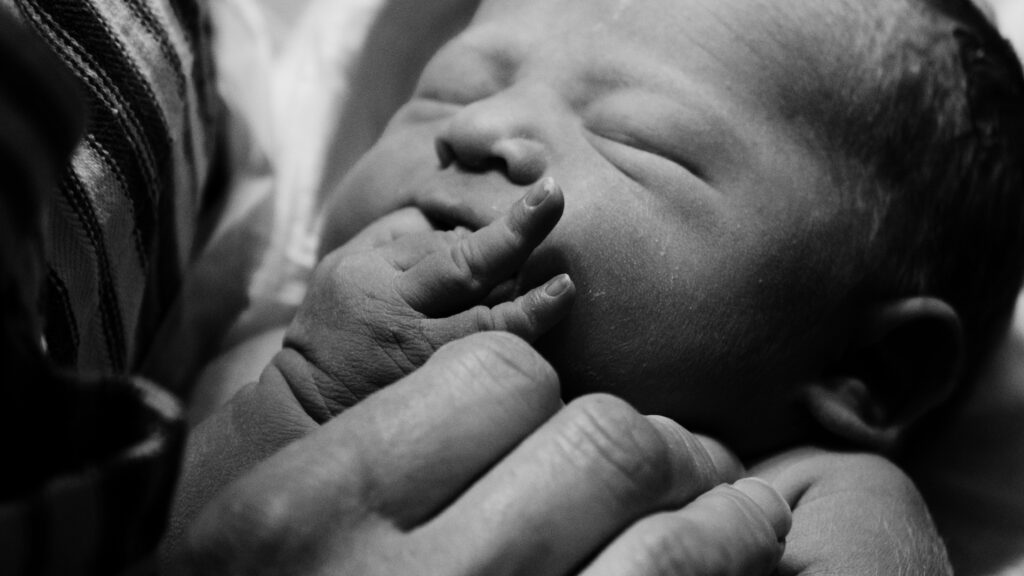
Darragh is right about the struggle. My own theological process is like Soul Pilates, which takes effort and muscle pain to strength my inner core. Mine has a distinctly feminine aspect to it and by that, I mean it seems like a gestation and birthing process. Where, over time, I become aware of a burgeoning divine spark within me. I tend to that God, or the image of God that lies deep within relying on me for life. As we become known to each other, together we contend with my inherited religious tradition, wondering what aspects can be absorbed, reshaped or discarded.
Although I am theologically educated, I know this process needs much more than thinking and rational arguments. Soul Pilates needs the inner mystic to get involved for, “when the mystic turns within, he comes upon realisations that transcend all conceptualisation and theological game rules”. [iii]
This process often happens on the margins or completely outside of church because Christianity still tries to maintain conformity about how to believe, belong, worship or do theology. It could be different.
Image: Olivia Anne Snyder Unsplash
Also on: Flashes
[i] Giele Pelicot, A Hymn to Life, Penguin Random House UK, p111.
[ii] Neil Darragh, Doing Theology Ourselves, Accent Publications, 1995, p13.
[iii] Joseph Campbell, Thou Art That: Transforming Religious Metaphor, New World Library, 2013, p39.

